
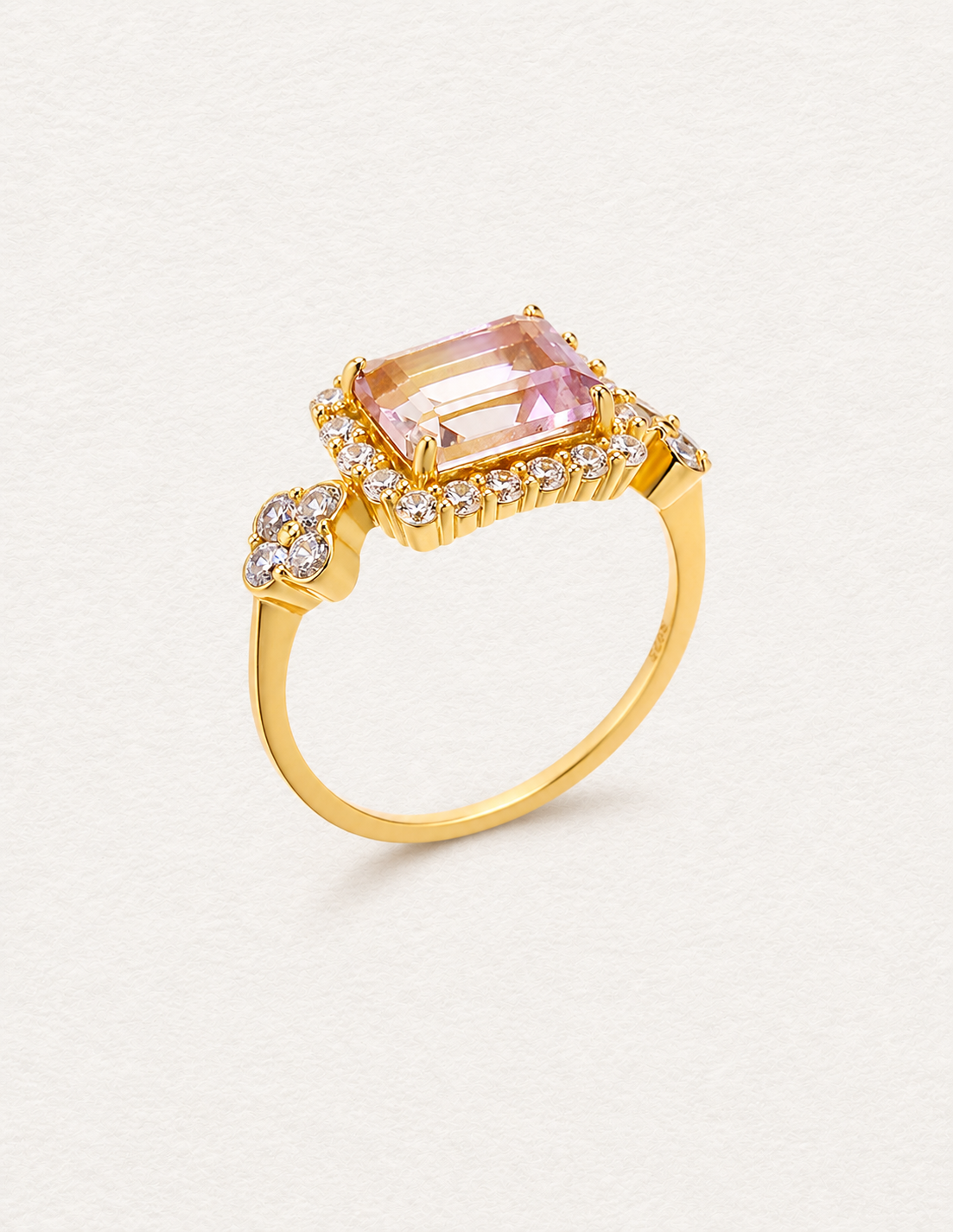

Gemstone Hardness & Durability Guide: Mohs Chart and Everyday Wear
Quick answer: Mohs hardness measures resistance to scratching. For everyday jewelry, also consider how easily a stone can chip or break, how it reacts to heat and chemicals, and how the complete piece is made. A higher Mohs number does not automatically mean easier care.
This chart compares gemstone materials, including many birthstones. It is not a laboratory assessment of an individual piece. Follow the product’s materials and care instructions, especially when it combines gemstones with pearls, plating, adhesive, thread or elastic.
Gemstone chart · Beyond Mohs · Everyday wear · Cleaning by material · FAQ
Gemstone hardness chart
Use the Mohs column for scratch resistance and the next column for the concern that a hardness number can miss. Ranges are intentional: some names cover more than one mineral species or type. Color names alone do not prove a treatment, origin or natural-versus-laboratory-grown identity.
On small screens, swipe horizontally to see every column.
| Gemstone or material | Mohs hardness | What else matters | Source |
|---|---|---|---|
| Agate (black, green or other chalcedony agate) | 6.5–7 | Dyes, porosity and existing fractures can affect care. | CIBJO |
| Amazonite | 6–6.5 | Feldspar cleavage makes knocks a concern. | MSA |
| Amber | 2–2.5 | Soft and poor in toughness; protect from heat and solvents. | GIA |
| Amethyst | 7 | Good toughness; avoid thermal shock and prolonged intense light. | GIA |
| Ametrine | 7 | Good toughness; heat and strong light can affect color. | GIA |
| Apatite | 5 | Brittle and heat-sensitive; use gentle handling. | MSA · GIA |
| Aquamarine | 7.5–8 | Inclusions, fractures and any filling affect cleaning choices. | GIA |
| Citrine | 7 | Good toughness; sudden temperature changes can cause fractures. | GIA |
| Clear quartz | 7 | Quartz can still chip or fracture; examine inclusions and damage. | Gem-A |
| Cubic zirconia (CZ) | 8.5 | A manufactured material, different from natural zircon. | GIA |
| Garnet, including orange garnet | 6.5–7.5 | The species determines its place within the range. | GIA |
| Green quartz, when confirmed as quartz | 7 | The color name does not establish treatment history. | Gem-A |
| Iolite | 7–7.5 | Cleavage can allow splitting after a sharp impact. | GIA |
| Labradorite | 6–6.5 | Brittle feldspar with pronounced cleavage; protect from blows. | MSA |
| Lapis lazuli | 5–6 | A rock with variable composition; treatments can change care. | GIA |
| Malachite | 3.5–4 | Soft, brittle and sensitive to acids. | MSA · Gem-A |
| Moissanite, laboratory-grown | 9.25 | Very scratch-resistant; the number does not rate the setting. | GIA |
| Moonstone, including blue or orange material | 6–6.5 | Poor toughness and two cleavage directions require impact protection. | GIA |
| Obsidian | 5–5.5 | Volcanic glass that can chip or break. | IGI |
| Onyx, when confirmed as chalcedony | 6.5–7 | A trade name needs a clear material description; treatment matters. | CIBJO |
| Opal, including pink opal | 5–6.5 | Toughness varies; heat and thermal shock can cause damage. | GIA |
| Pearl, natural or cultured | 2.5 | Its surface is easily scratched. | GIA |
| Peridot | 6.5–7 | Fair-to-good toughness; avoid hard knocks and thermal shock. | GIA |
| Prehnite | 6–6.5 | Brittle, with cleavage; protect against pressure and knocks. | MSA |
| Rose quartz | 7 | The stone can fracture; GIA advises against ultrasonic cleaning. | GIA |
| Ruby | 9 | Excellent toughness, but fracture filling can change care substantially. | GIA |
| Sapphire / blue corundum | 9 | Corundum has no cleavage; fractures and treatments still matter. | GIA |
| Smoky quartz | 7 | Protect against blows and sudden changes in temperature. | GIA |
| Spinel, including black or blue spinel | 8 | Good toughness; check fractures and any filling before cleaning. | GIA |
| Tanzanite | 6–7 | Cleavage and fair-to-poor toughness make impact protection important. | GIA |
| Tiger’s-eye, confirmed quartz material | 7 | Quartz hardness does not establish any dye or treatment history. | MSA · GIA |
| Topaz, including sky blue and London blue | 8 | Poor toughness because of basal cleavage: a hard blow can split it. | GIA |
| Tourmaline, including black tourmaline | 7–7.5 | Fair toughness; thermal shock can cause fractures. | GIA |
| Turquoise | 5–6 | Porosity and treatments can affect its stability and care. | GIA |
| Zircon, including white zircon | 6–7.5 | Can be brittle and vulnerable to abrasion; it is not CZ. | GIA |
Pearl is listed at 2.5 following GIA’s dedicated care guide. A material’s hardness does not certify the safety of soaking, steam or ultrasonic cleaning. MSA refers to the Mineralogical Society of America’s Handbook of Mineralogy; CIBJO is the World Jewellery Confederation.
Names that need a little more detail
“Spotted stone,” “green gemstone” and “white shell” do not identify one mineral with one dependable Mohs value. A name such as “Black Herkimer Quartz” should be checked against the actual material description: confirmed quartz has hardness 7, but the trade name does not establish its inclusions or treatments. White shell should not automatically inherit the pearl value.
Likewise, a quartz cap over turquoise or shell does not make the whole layered stone as durable as quartz. The lower layer and any bonding material need their own care instructions. Ask about the complete construction before immersion or machine cleaning. Read more about assembled and imitation gem materials.
Hardness, toughness and stability are different
- Hardness: resistance to scratching. Mohs is a relative, non-linear scale; a stone rated 8 is not simply one unit “more durable” than a stone rated 7.
- Toughness: resistance to chipping, cracking and breaking. Cleavage is a tendency to split along particular directions in a crystal.
- Stability: resistance to changes caused by heat, light and chemicals. Treatments can introduce additional limits.
Topaz illustrates the difference: it is harder than quartz, but its cleavage makes sharp impacts a particular concern. Moonstone needs protection from blows even when its surface looks intact. Ruby and sapphire combine high hardness with excellent toughness, yet a damaged or fracture-filled stone still needs individual care. GIA explains the three parts of gem durability.
Choosing gemstones for everyday wear
Start with where the jewelry will be worn. Rings and bracelets tend to meet desks, handles and other hard surfaces more often than necklaces and earrings. An exposed corner, a weak drill hole or a loose setting can matter as much as the gemstone’s name.
- For rings and bracelets: consider impact risk, the setting and how you use your hands. Protective design can help, but it cannot make a cleavage-prone stone unbreakable.
- For necklaces and earrings: lower exposure to knocks can make delicate stones easier to enjoy. Still protect them from pulling, cosmetics and contact with harder jewelry.
- For any piece: remove it before exercise, swimming, showering, household cleaning or rough work, and follow its specific instructions.
Do not use “Mohs 7 or higher” as a blanket daily-wear rule. Choose a piece you can care for, and check clasps, settings and stringing periodically. If a stone moves or a strand is frayed, stop wearing it until it has been checked.
Cleaning: start with the complete piece
A stone-safe method may still damage plating, a glued layer or stringing. For mixed-material jewelry, follow the most delicate component. If the treatment or construction is unknown, begin with gentle wiping and ask before doing more. Our jewelry care guide covers cleaning and storage in detail.
Quartz: amethyst, citrine, ametrine and related varieties
These share quartz’s hardness of 7, but they do not all have identical color stability or inclusions. For a suitable, securely set piece, gentle hand-cleaning with lukewarm mild-soap water is usually sufficient. Avoid steam and sudden temperature changes. GIA advises against ultrasonic cleaning for rose quartz; prolonged intense light can affect some amethyst and ametrine. Pearls or plating in the same design may call for wiping instead. See amethyst, citrine, ametrine and rose quartz care.
Moonstone, labradorite and amazonite
These feldspar materials need protection from hard knocks and pressure. Use a gentle, material-appropriate method: GIA recommends mild-soap hand-cleaning for moonstone, while CIBJO’s conservative feldspar guidance uses a water-dampened soft cloth. Avoid ultrasonic cleaning. Do not assume a stone sold as “rainbow moonstone” has the same mineral identity as every other moonstone. See GIA’s moonstone guidance and CIBJO’s feldspar guidance.
Pearls and other softer materials
Wipe pearls gently after wear and keep them away from perfume, acids and abrasive contact. Never use steam or ultrasonic cleaning. If a pearl strand is cleaned with water, let its string dry completely before wearing. Store it so harder gems cannot rub against the pearl surface. Amber is soft and heat-sensitive; use gentle hand-cleaning only when the complete piece permits it. Apatite needs gentle handling; CIBJO advises against ultrasonic cleaning. For malachite, choose a soft dry cloth for routine care and keep acids away. These materials should not share an automatic gemstone-soak routine. See GIA’s pearl care guide.
Topaz, opal, peridot, tourmaline, iolite, zircon and tanzanite
Gentle hand-cleaning is the safer starting point for these identified materials; GIA advises against steam and ultrasonic cleaning for each. Avoid sharp impacts and sudden temperature changes. Solid opal guidance should not automatically be applied to doublets, triplets or an unidentified opal construction. Use the individual source in the chart and check the rest of the piece before using water.
Turquoise, lapis, agate and prehnite
Porosity, dyes, waxes or other treatments can change the appropriate method. For confirmed solid turquoise and suitable lapis, GIA describes gentle mild-soap cleaning; protect them from heat and solvents. Do not transfer that advice to a layered piece. For dyed agate, confirm the treatment before deeper cleaning. CIBJO lists normal gentle care for prehnite; mild-soap hand-cleaning may be suitable when every component permits it. Protect this brittle stone from pressure and knocks rather than assuming its hardness makes it impact-resistant. See turquoise and lapis care.
Ruby, sapphire, spinel and aquamarine
Even relatively hard stones need a treatment check. Mild-soap hand-cleaning is suitable for many pieces, but fractures and fillers can change that advice. GIA recommends only a damp cloth for fracture-filled, cavity-filled or dyed ruby and sapphire. Do not approve an ultrasonic cleaner from the gemstone name alone. See ruby, sapphire, spinel and aquamarine care.
Store harder and softer jewelry separately
Give each piece its own soft pouch or padded compartment. Fasten chains, avoid tangles and keep hard edges away from pearls and softer gems. Remove surface residue after wear, but do not polish plated metal aggressively. A durable central stone cannot protect the finish, clasp or elastic around it.
Birthstones and less familiar gemstone names
A birthday tradition does not change a stone’s care needs. Choose your month with the birthstone-by-month guide, then compare the actual material. Different stones associated with the same month may need very different protection.
On small screens, swipe horizontally to see every column.
| Stone | Mohs hardness | Care consideration |
|---|---|---|
| Diamond | 10 | Very hard, but a blow can still chip it or split it along cleavage. |
| Emerald | 7.5–8 | Fractures and fillers often require gentle cleaning; avoid steam and ultrasonic. |
| Alexandrite | 8.5 | Excellent toughness; check inclusions and any fracture filling. |
| Bloodstone | 6.5–7 | Chalcedony; gentle hand-cleaning and protection from heat and harsh chemicals. |
| Sardonyx | 6.5–7 | Chalcedony; check treatment and protect dyed material from high heat. |
What about sunstone? The name can describe different feldspar species. GIA’s general sunstone guide lists Mohs 6.5–7.2 and poor toughness. Its material description includes both orthoclase and plagioclase sunstone, so check the identified species rather than treating every sunstone as labradorite. Protect it from blows and use gentle hand-cleaning.
Gemstone durability FAQ
Is topaz more durable than citrine?
Topaz is more scratch-resistant at Mohs 8, compared with citrine’s 7. That does not settle overall durability: topaz’s cleavage makes sharp knocks a concern. The setting, treatment and type of jewelry still matter.
Can I wear moonstone every day?
Consider the design and your habits. Moonstone has poor toughness and cleavage, so a ring exposed to frequent knocks needs particular care. Remove it for rough activities and choose protection appropriate to how you wear it.
Is zircon the same as cubic zirconia?
No. Zircon is a gemstone with a Mohs range of 6–7.5. Cubic zirconia is a different, manufactured material; GIA lists it at 8.5. Check the materials list rather than treating the similar names as interchangeable.
Do birthstones tarnish?
Tarnish usually describes a change on a metal surface, such as sterling silver. A stone may instead collect residue, become scratched or react to unsuitable conditions or chemicals. Identify whether the change is in the stone, its treatment or the surrounding metal before choosing a cleaner.
Can I identify a gemstone by scratching it?
Do not scratch a finished gemstone to test it at home. You could permanently damage the stone or finish, and hardness alone does not establish identity. Ask a qualified gemologist when identification matters.
Can I shower in hard-gemstone jewelry?
Hardness does not establish water resistance for the complete piece. Soap, cosmetics and repeated moisture can affect finishes or construction. Remove the jewelry and follow the product-specific care instructions.
Keep exploring
- Explore birthstone jewelry
- Jewelry care: cleaning, wearing and storage
- Understanding the materials in LUMERUNE jewelry
- Find your birthstone by month
Related reading
Sources reviewed: 14 October 2026. The chart links to GIA, Gem-A, CIBJO, IGI and the Mineralogical Society of America. Published values describe material properties; an individual gemstone’s treatments, inclusions, existing damage and jewelry construction may require different care.