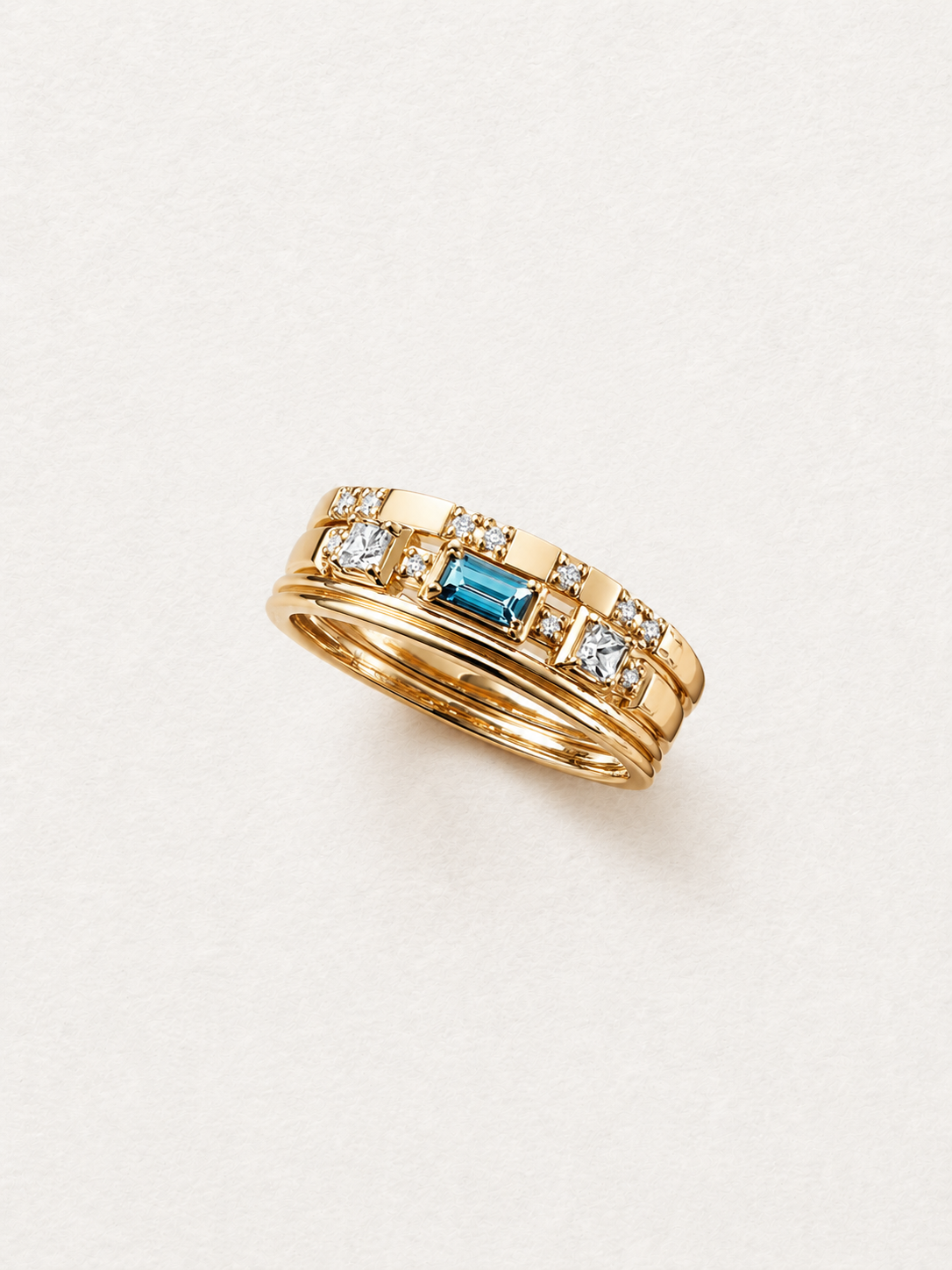

Jewelry is made to be worn. A little thoughtful care helps every piece keep its color, polish and character for longer.
Lotions, sunscreen, perfume, perspiration, dust and natural skin oils can gradually build up on rings, bracelets, earrings and necklaces. Even when a piece does not look visibly dirty, that residue can soften its shine over time.
The good news is that jewelry care does not need to be complicated. The most important rule is to understand what your piece is made from—and to let its most delicate gemstone, finish, setting or cord determine how the entire piece should be cleaned.
Use a soft cloth first. Only use water and mild soap when every part of the piece is known to be water-safe.
Put jewelry on after cosmetics and take it off before water, exercise, sleep or household cleaning.
Individual pouches or padded compartments reduce scratching, tangling and unnecessary pressure.
If you do not know whether a gemstone has been dyed, filled, coated or otherwise treated, choose the gentlest option: wipe it with a soft, slightly damp cloth, dry it thoroughly and ask a professional jeweler before trying a deeper clean.
Jewelry Care at a Glance
Use this table as a starting point. Always follow any product-specific instructions supplied with your jewelry: a durable gemstone can still be part of a delicate piece with plating, adhesive, silk thread or elastic cord.
| Material or piece | Safest routine care | What to avoid |
|---|---|---|
| Untreated diamonds, rubies, sapphires, amethyst and citrine | Lukewarm water, a small amount of mild soap and a soft brush when the setting is secure. | Toothpaste, bleach, harsh chemicals and sudden temperature changes. |
| Solid gold and platinum | Mild soapy water and a soft cloth or brush, provided every gemstone and detail is water-safe. | Abrasive cleaners, chlorine and forceful polishing. |
| Gold-plated or vermeil jewelry | A soft, dry or slightly damp cloth with minimal rubbing. | Aggressive polishing, prolonged soaking, ultrasonic cleaning and abrasive products. |
| Pearls | Wipe after wear; clean occasionally with a very soft cloth or brush lightly moistened with lukewarm soapy water. | Ultrasonic and steam cleaners, harsh chemicals and long soaking. |
| Emeralds | A brief, gentle clean with lukewarm soapy water and a very soft brush. | Ultrasonic cleaning, steam, high heat and harsh chemicals. |
| Opals | For solid opal, use lukewarm soapy water and a soft cloth or brush. | Ultrasonic and steam cleaners, high heat and sudden temperature changes. |
| Sterling silver | A dedicated silver polishing cloth; store clean, dry and separately. | Bleach, chlorine, moisture and excessive polishing. |
| Natural stone and beaded bracelets | Wipe with a soft cloth; use water only after confirming every stone, metal component and cord is water-safe. | One-method-fits-all soaking, salt, harsh chemicals and ultrasonic cleaning. |
How to Clean Jewelry at Home
For many securely set, untreated gemstones and solid precious-metal pieces, lukewarm water and mild soap are enough to remove everyday oil and residue.
Inspect the piece before cleaning
Look at the setting, prongs, clasp, chain links and cord. If a stone feels loose, a prong looks bent, a clasp is damaged or a strand is frayed, do not clean or continue wearing the piece. Set it aside for professional attention.
A simple at-home jewelry cleaning method
- Fill a small bowl with lukewarm water and add a small amount of mild, non-abrasive soap.
- If every part of the piece is known to be water-safe, place it in the solution briefly.
- Use a clean, soft-bristled brush to gently clean around the setting, beneath the gemstone and between small metal details.
- Rinse carefully in a separate bowl of clean water.
- Pat dry with a clean, lint-free cloth.
- Allow the piece to dry completely before wearing or storing it.
The underside of a gemstone often needs more attention than the top. Hand cream, sunscreen and skin oils collect behind the stone and around the setting, which can make an otherwise clean gem look cloudy.
When cleaning near a sink, close the drain first. It takes only a moment and can prevent a very frustrating accident.
What not to use when cleaning jewelry
Toothpaste, baking soda and abrasive polishes. These products can scratch polished metal, wear down plating and damage some gemstones.
Bleach, chlorine and strong household cleaners. Harsh chemicals can affect gemstones and the metal alloys used in jewelry. Remove your jewelry before cleaning the house or handling chemical products.
Very hot water. Hot water is unnecessary. Some gemstones can be affected by heat or sudden temperature changes, so use water that feels comfortably lukewarm.
Ultrasonic cleaners without checking first. An ultrasonic cleaner is not automatically safe simply because a gemstone is hard. Vibrations, heat and cleaning solutions can damage treated or fracture-filled stones, delicate organic gems and vulnerable settings. They may also loosen a stone that was already insecure.
Does jewelry cleaner expire?
Jewelry cleaners can lose effectiveness over time, but there is no universal expiry period. Follow the manufacturer's expiry date, after-opening guidance and storage instructions for your exact product. Mark the opening date and keep the original container tightly closed, away from heat and direct light. If the label is missing or the product's age or condition is uncertain, check with the manufacturer or replace it before use.
An in-date cleaner is not automatically safe for every piece. Check suitability for each natural gemstone, any treatments, the metal finish and the setting. Pearls, porous or treated stones, and plated or vermeil jewelry need particular care; a cleaner intended for diamonds or plain silver may be unsuitable. Follow the jewelry maker's instructions and the cleaner's contact-time limits. When unsure, use a soft cloth and ask a jeweler.
How to Care for Different Jewelry Materials
Diamonds, rubies, sapphires, amethyst and citrine
For securely set, untreated stones, lukewarm water, mild soap and a soft brush are generally suitable for routine cleaning. Treated, coated, dyed or fracture-filled stones may require a different method. If the treatment is unknown, use a soft, slightly damp cloth and consult a jeweler.
Even a hard gemstone can chip if struck in the wrong place, and its metal setting can still bend or wear. Avoid knocking rings and bracelets against hard surfaces; hardness does not make a complete jewelry piece indestructible.
Gold, platinum and plated jewelry
Solid gold and platinum jewelry can often be cleaned with mild soapy water, provided any gemstones or decorative elements in the piece are also safe to clean that way. Gold is softer than many gemstones, so abrasive products can leave fine marks on its surface.
Gold-plated and vermeil jewelry require lighter handling. Wipe the surface gently with a soft, dry or slightly damp cloth, and avoid aggressive rubbing or frequent polishing. Repeated abrasion can gradually wear through the plated finish.
Pearls
Pearls have a delicate surface that can be affected by cosmetics, perfume, perspiration and rough handling. After wearing pearl jewelry, wipe it gently with a very soft, clean cloth. For occasional cleaning, use a soft cloth or very soft brush lightly moistened with lukewarm soapy water.
Never place pearls in an ultrasonic or steam cleaner. Do not soak them for a long period.
Allow pearl strands and bracelets to dry flat and completely before wearing or storing them. Wet thread can stretch and collect dirt. If the thread looks discolored, frayed or noticeably loose, have the piece inspected and restrung rather than waiting for it to break.
Emeralds
Natural emeralds commonly contain fractures, and many are treated with oil or resin to improve their appearance. That makes steam and ultrasonic cleaning risky.
The safest routine method is a brief clean with lukewarm soapy water and a very soft brush. Use a light touch, rinse carefully and dry thoroughly. Avoid high heat, sudden temperature changes and harsh chemicals. For a deeper clean—or whenever you are unsure how an emerald has been treated—take it to a professional jeweler.
Opals
Opal is softer and less tough than many popular gemstones. High heat and sudden temperature changes can cause cracking or crazing.
For solid opal, use lukewarm soapy water and a soft cloth or brush. Do not use steam or ultrasonic cleaning.
Doublets and triplets are assembled stones made from more than one layer. Because water and cleaning products may affect their construction, avoid soaking them. If you do not know whether your opal is solid or assembled, use a soft, slightly damp cloth and ask a jeweler before cleaning it more deeply.
Sterling silver
Sterling silver can darken over time as it reacts with substances in its environment. This surface tarnish is common and does not necessarily mean the jewelry is damaged.
Use a polishing cloth made specifically for silver and rub gently. After cleaning, keep the piece dry and store it separately in a soft pouch or anti-tarnish bag.
Take extra care with plated silver or jewelry that has an intentionally oxidized, darkened finish. Excessive polishing may remove the finish you are trying to preserve. If the piece includes pearls, opals or another delicate gemstone, follow the gemstone's care requirements rather than treating the entire piece like plain silver.
Natural stone, crystal and beaded bracelets
“Crystal” describes many different materials, not one universal type of stone. Amethyst, citrine and rose quartz belong to the quartz family, while moonstone is feldspar and obsidian is natural volcanic glass. They do not all respond to impact, heat, light and cleaning in the same way.
For routine care, wipe a crystal bracelet with a soft, dry cloth. If you know that every stone, metal component and cord is water-safe, a brief clean with lukewarm water and mild soap may be suitable. Dry the bracelet completely afterward.
Avoid using salt, chemical solutions, prolonged soaking or strong sunlight as a one-size-fits-all “cleansing” method. Prolonged intense light can affect the color of some gemstones, while salt, water or chemicals can damage other stones, metal finishes and elastic cord.
When putting on an elastic bracelet, roll it gently over your hand instead of stretching it as far as possible. This reduces repeated strain on the cord.
Explore our crystal bracelets, or contact LUMERUNE if you need care guidance for a specific piece.
Daily Jewelry Care: Last On, First Off
Last on, first off. Put your jewelry on after skincare, makeup, perfume and hair products have been applied and allowed to dry. Take it off before showering, washing your face, doing housework or going to bed.
This simple habit reduces contact with cosmetics, cleaning products and moisture while helping to prevent pulling, impact and accidental loss.
Remove jewelry before water, exercise and sleep
We recommend removing jewelry before:
- Swimming or entering a hot tub
- Showering or bathing
- Exercising
- Sleeping
- Doing housework
- Applying skincare, perfume or hairspray
- Handling cleaning products
Water resistance does not make a piece resistant to chlorine, salt, perspiration, soaps or repeated moisture. Removing jewelry also protects clasps, settings, threads and elastic cords from unnecessary stress.
How to Store Jewelry Safely
Many fine scratches happen in a jewelry box rather than while the jewelry is being worn. The simplest rule is: separate your pieces.
Store each item in its own soft pouch or in a jewelry box with individual, padded compartments. Fasten necklaces and lay them flat or hang them separately to reduce tangling.
Keep diamond jewelry away from other pieces. A diamond can scratch other gemstones and precious metals, while diamonds can also scratch one another. Keep pearls, opals and softer gemstones away from sharp edges and harder stones.
Store sterling silver clean and dry in an anti-tarnish pouch or cloth. Do not put jewelry away while it is still damp: moisture trapped around settings, thread or elastic can create problems that are harder to notice later.
Check Your Jewelry from Time to Time
Cleaning removes surface residue, but it does not replace a structural inspection. For pieces you wear often, periodically check:
- Are any prongs bent, raised or worn?
- Does a gemstone move, click or rattle?
- Are chain links or connecting rings thinning?
- Does the clasp close securely?
- Is pearl thread or bracelet elastic stretched, frayed or discolored?
If a gemstone moves or a setting looks damaged, stop wearing the piece. A timely repair is usually much simpler than replacing a lost stone.
Jewelry Care FAQ
Can you clean jewelry with toothpaste?
No. Toothpaste can contain abrasive ingredients that scratch metal, wear down plating and damage some gemstones. Use a material-appropriate method such as lukewarm water, mild soap and a soft brush—or a soft cloth when the piece is delicate or its treatment is unknown.
Is an ultrasonic cleaner safe for all jewelry?
No. Ultrasonic cleaning can damage pearls, opals, emeralds, moonstones and many treated or fracture-filled gemstones. Vibrations may also loosen an insecure setting. Do not use one unless you know the exact material, treatment and condition of the entire piece.
Can pearls go in an ultrasonic cleaner?
No. Pearls should never be cleaned with an ultrasonic or steam cleaner. Wipe them with a very soft cloth after wearing, and use a gently moistened cloth or brush for occasional cleaning.
Why has my silver jewelry turned dark?
Sterling silver can tarnish when it reacts with sulfur-containing substances and other elements in its environment. This is common and does not necessarily mean the piece is damaged. Use a dedicated silver polishing cloth gently, and check specific care instructions first if the jewelry is plated, intentionally oxidized or set with a delicate gemstone.
How often should I clean my jewelry?
There is no single schedule for every piece. Jewelry worn daily may need gentle cleaning more often because it collects skin oils, lotion and dust. Pieces worn occasionally may only need to be wiped after use and stored carefully. Clean based on the condition of the piece rather than following an unnecessarily strict timetable.
Can I wear jewelry in the shower?
We recommend removing it. Shampoo, soap, mineral deposits and repeated moisture can affect finishes and build up around settings. Pearls, opals, plated jewelry and pieces made with thread or elastic deserve particular care.
How should I care for a natural stone or crystal bracelet?
Wipe it gently with a soft, dry cloth and store it separately. Before using water, confirm the exact stone, metal finish and cord material. Because crystal bracelets may combine several materials, avoid prolonged soaking, salt, harsh chemicals, ultrasonic cleaning and strong sunlight as universal care methods.
A Little Care Goes a Long Way
Jewelry changes gently with wear. Metal can develop fine surface marks, while natural gemstones may show individual color patterns, inclusions and textures.
We do not believe every piece has to look untouched forever. The goal is to understand what it is made from, protect its structure and care for it in a way that lets you keep wearing it.
Wear it often. Care for it gently. Keep it close.
— LUMERUNE